Her Tree – How to Solve Symbol-Based Memory Puzzles and Hidden Environmental Chains
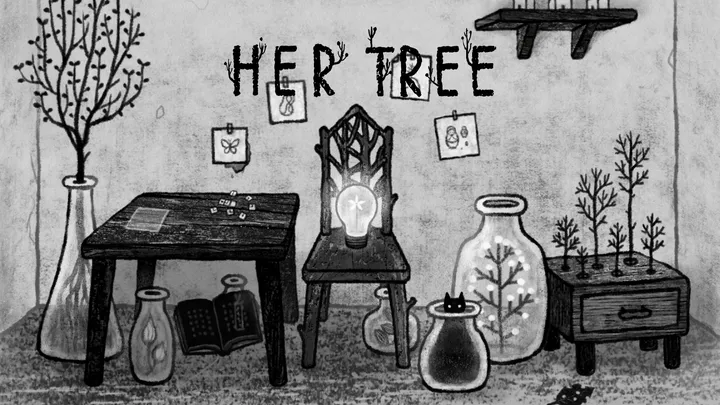
In Her Tree, progression is built around observation, emotional storytelling, and environmental interpretation rather than direct instruction. Many players initially believe the game’s puzzles are abstract or random, but the deeper systems reveal a carefully connected structure based on symbolism, memory logic, and environmental sequencing. The game constantly asks players to pay attention not just to obvious objects, but to atmosphere, repeated visual patterns, sound placement, and subtle environmental transitions.
One of the most difficult aspects of Her Tree is learning how to solve its symbol-based memory puzzles and hidden environmental chains. These sequences often span multiple areas, requiring players to remember visual clues, interpret recurring symbols, and understand how one interaction silently affects another location. The game rarely explains these systems directly, which is why many players become stuck despite understanding the basic mechanics.
This guide focuses specifically on how to master symbol interpretation, environmental memory tracking, and long-form puzzle chains. Rather than offering generic puzzle advice, this article explains how the game structures hidden logic across progression, teaching players how to recognize patterns, preserve information mentally, and uncover deeper environmental relationships throughout the experience.
Understanding the Symbol Language of Her Tree
Why Symbols Matter More Than Dialogue
Her Tree communicates primarily through imagery rather than explicit explanation. Symbols function as the game’s hidden language.
Recurring symbols often represent:
- Emotional states
- Puzzle states
- Environmental relationships
- Narrative memories
Learning Symbol Categories
Players should separate symbols into groups:
- Nature symbols
- Geometric markings
- Light-based indicators
- Character-associated imagery
Beginner Symbol Strategy
When encountering new symbols:
- Observe placement carefully
- Compare with earlier areas
- Track color and shape variations
- Note nearby environmental details
The game rewards memory and association more than direct problem-solving.
Building Early Observation Habits
Why Small Details Matter
Many early puzzles train players to notice environmental details that initially appear decorative.
Examples include:
- Slightly different tree markings
- Rearranged stones
- Changes in lighting direction
- Background object placement
Training Environmental Awareness
Strong players avoid rushing through areas.
Instead, they:
- Pause frequently
- Examine visual composition
- Compare repeated environments carefully
Observation Checklist
- Look above and below eye level
- Revisit rooms after interactions
- Pay attention to environmental silence
The smallest detail may unlock future progression.
Understanding Memory-Based Puzzle Design
Puzzles Extend Across Multiple Areas
Unlike isolated puzzle games, Her Tree often connects clues across long distances.
A symbol seen early may become important hours later.
Why Memory Is a Core Mechanic
The game intentionally minimizes direct reminders.
Players are expected to remember:
- Symbol sequences
- Environmental layouts
- Emotional associations
- Color relationships
Memory Tracking Strategy
To improve retention:
- Mentally group similar symbols
- Associate clues with locations emotionally
- Revisit earlier puzzle spaces regularly
The game tests long-term recognition rather than short-term logic.
Solving Environmental Chain Reactions
What Are Environmental Chains?
Environmental chains are hidden sequences where one action subtly changes another location elsewhere.
Examples include:
- Activating distant environmental states
- Changing symbol visibility
- Unlocking hidden interactions silently
Why Players Miss These Changes
The game rarely announces progression directly.
Changes are often:
- Visual only
- Audio-based
- Extremely subtle
Chain Recognition Checklist
After every interaction:
- Revisit nearby spaces
- Watch for lighting shifts
- Listen for environmental audio changes
The world constantly reacts quietly to player actions.
Learning Spatial Relationships Between Puzzle Areas
The World Is Structurally Connected
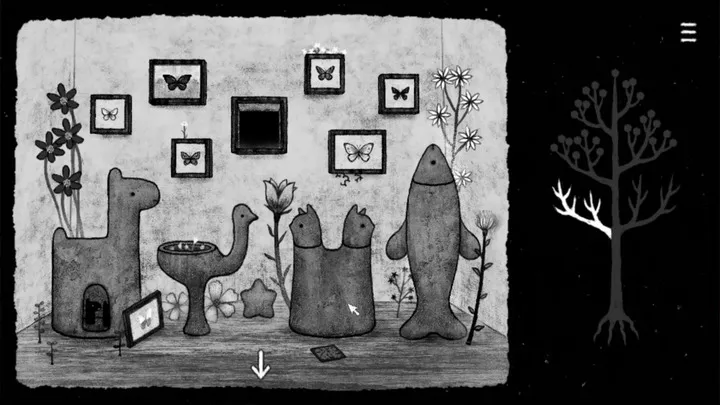
Areas in Her Tree are not isolated stages. They often mirror or reference one another visually and symbolically.
Recognizing Spatial Echoes
Players should watch for:
- Repeated room structures
- Similar environmental layouts
- Mirrored symbol arrangements
Spatial Awareness Strategy
- Compare old and new areas mentally
- Identify recurring environmental patterns
- Look for symbolic symmetry
The game often teaches solutions through environmental parallels.
Understanding Color Logic and Emotional Coding
Colors Function as Puzzle Indicators
Color in Her Tree is rarely decorative. Different tones often represent emotional or mechanical states.
Examples include:
- Warm light → safety or memory clarity
- Pale tones → incomplete progression
- Darkened environments → hidden states
Emotional Interpretation Matters
Some puzzles rely on understanding emotional atmosphere rather than strict mechanical logic.
Color Interpretation Checklist
- Track where colors repeat
- Observe mood changes after interactions
- Connect emotional tone with symbol meaning
The game blends emotion and puzzle structure together.
Midgame Complexity and Multi-Layered Puzzle Chains
Why Midgame Feels Overwhelming
Later puzzles begin combining:
- Symbol sequences
- Environmental changes
- Audio cues
- Spatial memory
Breaking Complex Puzzles Into Layers
To avoid confusion:
- Identify all visible clues
- Separate symbolic from environmental information
- Test interactions one at a time
Multi-Layer Puzzle Strategy
- Do not rush experimentation
- Observe consequences carefully
- Treat every failed attempt as information
Complexity becomes manageable through structured thinking.
Using Sound and Silence as Puzzle Information
Audio Is Part of the Puzzle System
Many players underestimate how important sound is in Her Tree.
Audio clues include:
- Directional whispers
- Environmental echoes
- Changes in ambient music
- Sudden silence
Silence as an Indicator
The removal of sound is often more important than sound itself.
Silence may indicate:
- Correct progression
- Hidden interaction zones
- Emotional transition points
Audio Puzzle Strategy
- Use headphones if possible
- Pause movement frequently
- Compare sound changes between locations
Listening carefully reveals hidden structure.
Late-Game Symbol Interpretation and Abstract Logic
Puzzles Become Increasingly Psychological
Late-game sections rely less on direct interaction and more on abstract understanding.
Players must interpret:
- Symbol combinations
- Emotional transitions
- Environmental contradictions
Moving Beyond Literal Thinking
At advanced stages, solutions often emerge through thematic understanding rather than mechanical experimentation.
Questions become:
- What emotion does this area represent?
- Which symbols feel connected conceptually?
- How does the environment “feel” different?
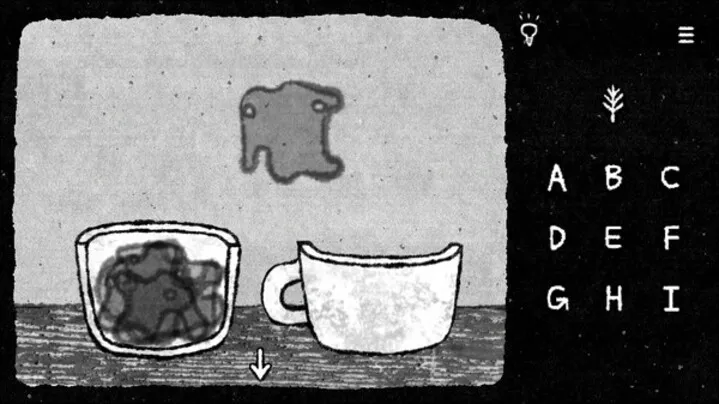
Advanced Interpretation Strategy
- Think emotionally, not mechanically
- Search for symbolic relationships
- Trust recurring visual language
The game evolves into psychological puzzle-solving.
Achieving Full Puzzle Mastery
Mastery Comes From Pattern Recognition
Experienced players eventually stop viewing puzzles individually.
Instead, they recognize:
- Repeating symbolic grammar
- Environmental storytelling structures
- Emotional progression patterns
Integrating Every System Together
Late-game mastery combines:
- Observation
- Memory retention
- Symbol interpretation
- Spatial awareness
- Audio analysis
Final Mastery Checklist
- Minimal random experimentation
- Strong environmental awareness
- Recognition of symbolic themes
- Emotional understanding of progression
This transforms confusion into intuitive understanding.
Conclusion
Her Tree stands out because it transforms puzzle-solving into an emotional and symbolic experience rather than a purely logical one. Through recurring imagery, hidden environmental chains, spatial echoes, and memory-based progression, the game creates a world where observation and interpretation matter more than direct instruction.
Its puzzles succeed because they encourage players to engage deeply with atmosphere, symbolism, and emotional tone. Every visual detail, sound cue, and environmental change contributes to a larger interconnected structure that slowly reveals itself through patience and awareness.
Ultimately, mastering Her Tree means learning how to read the world itself. By understanding symbolic language, tracking environmental relationships, and interpreting emotional cues, players can uncover the hidden logic beneath the game’s mysterious surface and experience its puzzle design at its deepest level.