
Hytale: A Deep Dive into the Architecture of a Next-Generation Sandbox
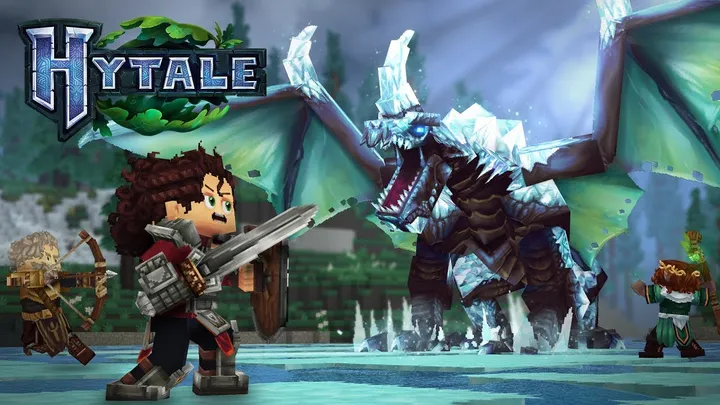
The sandbox genre has long been dominated by titles that prioritize player freedom, but few have attempted to synthesize high-fidelity RPG mechanics with a truly infinite, procedurally generated engine. Hytale, developed by Hypixel Studios, represents a massive leap in this evolution. It isn't just a "block game"; it is a sophisticated engine built from the ground up to empower both the casual explorer and the technical creator.
In this deep dive, we will explore the intricate layers of Orbis, the underlying technology that drives its world-building, and the philosophical shift in how Hytale approaches player agency through its diverse gameplay pillars.
1. The Genesis of Orbis: Conceptualizing a Living World
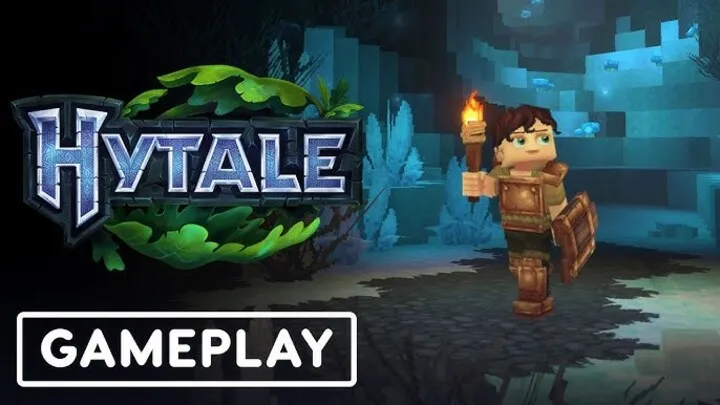
The development of Hytale began not with a list of features, but with a vision of a world that feels alive even when the player isn't looking. This world, known as Orbis, is divided into distinct zones, each governed by its own ecological and magical rules. Unlike traditional voxels where biomes blend randomly, Orbis is designed with a "macro-narrative" in mind, ensuring that the geography tells a story of the world’s history and the influence of the Goddess Gaia versus the Void.
The technical achievement here lies in the World Engine. Hypixel Studios moved away from standard generation techniques to implement a system that handles verticality and underground layering with unprecedented detail. From the sun-drenched forests of Zone 1 to the subterranean jungles beneath the wastes, the world-building is a marriage of procedural randomness and hand-crafted intent.
The Role of Narrative in Generation
- Zone Integration: Each zone features unique flora, fauna, and architectural styles for its inhabitants.
- Prefab Logic: Thousands of hand-built "prefabs" are injected into the procedural generation to ensure that dungeons and ruins feel purposeful rather than cluttered.
2. The Engine Architecture: C# and the Quest for Performance
A common pain point in voxel gaming is the "technical ceiling"—the point where mods or large-scale builds cause the engine to stutter. Hytale addresses this by utilizing a custom engine written in C# for the client and Java for the servers. This dual-language approach allows for a high-performance client capable of rendering massive view distances while maintaining a server architecture that is familiar to the existing modding community.
The engine utilizes advanced rendering techniques, including real-time shadows, water reflections, and dynamic weather systems that affect gameplay. For instance, rain isn't just a visual filter; it affects block properties and entity behavior. This level of environmental interaction is calculated through a sophisticated lighting engine that manages light levels across thousands of blocks simultaneously without sacrificing frames.
3. The Flora and Fauna: Ecological Interaction Systems
Hytale’s creatures are more than just "mobs" with health bars; they are entities with Sensory AI. This means animals and monsters react to sound, light, and the presence of other species. A deer might flee if it hears a player sprinting through bushes, while a pack of Trorks might organize a tactical ambush if they spot a player's campfire at night.
Ecological Tiers
- Passive/Prey: Rabbits, birds, and livestock that populate the ecosystem.
- Neutral/Protective: The Kweebecs, who interact with the player based on reputation.
- Hostile/Predatory: Fen Stalkers and Void-touched creatures that actively hunt.
This ecosystem creates a "living laboratory" effect. Players can observe a predator hunting its prey in the wild, adding a layer of immersion that makes the world feel inhabited rather than just populated.
4. Combat Mechanics: Beyond the "Click-Spam"
Combat in Hytale is built on a foundation of collision-based physics and varied weapon archetypes. Unlike games where combat is a simple matter of clicking as fast as possible, Hytale introduces stamina management, block-timing, and heavy vs. light attacks. Each weapon type—be it a heavy warhammer or a swift dagger—has a unique "feel" and animation set.
The system also incorporates a deep Magic System. Magic isn't just a secondary tool; it is a primary class path with elemental affinities. A player wielding a fire staff must account for the projectile's travel time and the potential for environmental fire spread, turning every skirmish into a tactical puzzle.
Weapon Archetypes and Utility
- Blunt Weapons: High knockback, effective against armored foes.
- Bladed Weapons: High bleed damage and speed.
- Magic Staves: Area-of-effect (AoE) control and elemental debuffs.
5. The Creator Tools: Democratizing Game Design
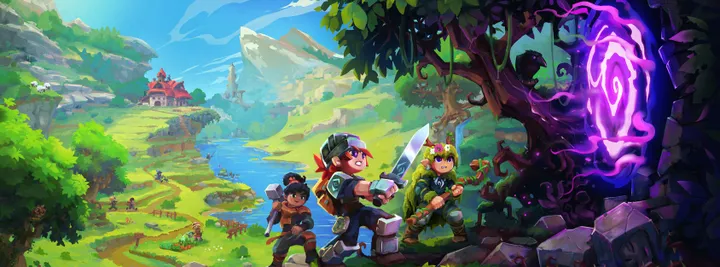
Perhaps the most revolutionary aspect of Hytale is its suite of In-Game Creative Tools. Hypixel Studios is essentially shipping the same tools they use to build the game. This includes the Hytale Model Maker, a browser-based or client-integrated tool for 3D modeling, texturing, and animation.
This allows creators to see their changes in real-time. If you want to create a new sword or a whole new monster, you can model it, animate its walk cycle, and inject it into the game without ever closing the client. This lowers the barrier to entry for modding, turning every player into a potential developer.
6. Server Technology: The Hub and the Spoke
Hytale’s server architecture is designed to handle massive player counts through a Shared Source model. While the core engine remains proprietary to protect against cheating, much of the gameplay logic is accessible to server owners. This allows for "mini-game" servers that can look and feel entirely different from the base RPG experience.
The game also features a sophisticated Scripting API. Using JavaScript, creators can write complex logic for their servers, ranging from custom economy systems to entirely new physics rules. This versatility ensures that Hytale will not just be a game, but a platform for thousands of different experiences.
7. The Underground: Layered Depth and Geodes
In many sandbox games, mining is a repetitive task. Hytale reimagines the "downward journey" by implementing Procedural Dungeons and specialized underground biomes. As players descend, they encounter "Geodes"—massive, self-contained crystalline caves that house rare resources and boss-level encounters.
The verticality of Hytale is supported by its engine's ability to handle "infinite" depth (within the bounds of hardware). This means the transition from the surface to the deep crust is seamless, with changing ambient sounds and light levels that increase the feeling of claustrophobia and danger the deeper one goes.
8. Customization: The Identity of the Avatar
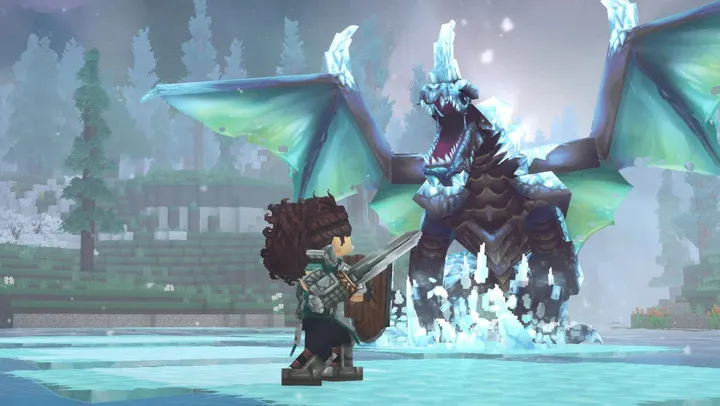
In a social sandbox, your avatar is your brand. Hytale’s character customization system is incredibly granular, moving away from "skins" and toward a Component-Based System. Players can mix and match clothing, hairstyles, and accessories, all of which are rendered with high-quality animations that prevent "clipping" issues common in block-based games.
Furthermore, these customizations carry over into the gameplay. Your gear isn't just cosmetic; the "Layered Armor" system allows players to maintain their aesthetic while benefiting from the stats of their heavy plate or enchanted robes.
9. Soundscapes and Immersion: The Auditory Layer
The audio in Hytale is reactive. The soundtrack, composed with an emphasis on orchestral swells and atmospheric cues, changes based on the player’s location and the time of day. However, the true technical marvel is the Acoustic Simulation.
Sound travels differently in a hollow cave than it does in an open field. The engine calculates "occlusion" and "reverb" based on the surrounding blocks. If you are standing behind a thick stone wall, the roar of a nearby monster will be muffled realistically, providing the player with vital spatial information during exploration.
10. The Future of Hytale: A Platform for Decades
As we look toward the release and subsequent evolution of Hytale, it is clear that the game is built for longevity. By focusing on a Data-Driven Architecture, Hypixel Studios has ensured that adding new content—new zones, new blocks, new mechanics—doesn't require a total overhaul of the game's code.
The game is positioned to be a "forever game," a digital space that grows with its community. Whether it's through official story expansions or the infinite creativity of the modding scene, Hytale is designed to be the definitive sandbox of the modern era.