.webp)

Introduction
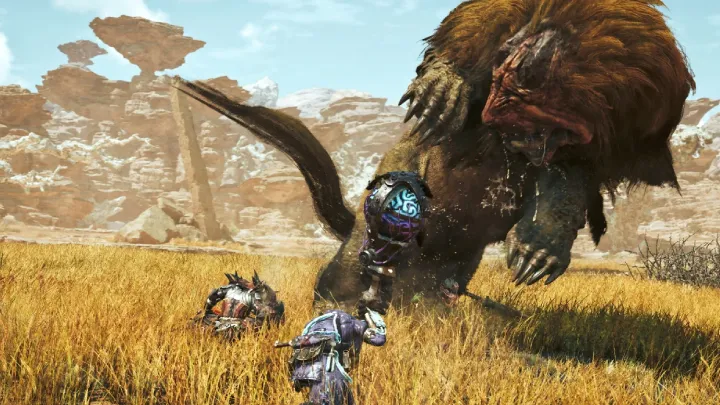
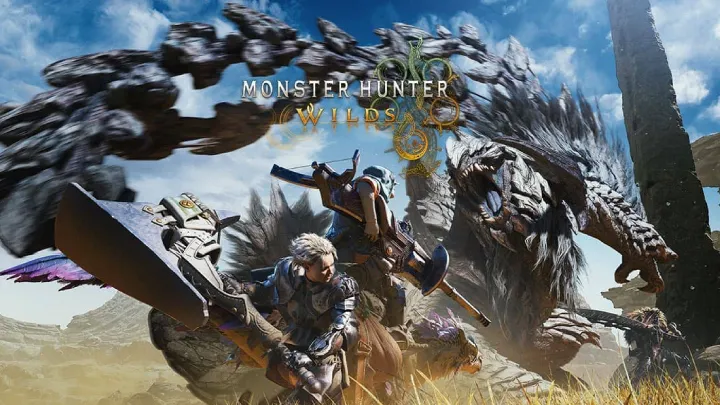
Monster Hunter Wilds, the latest installment in the beloved Monster Hunter franchise, has captivated players with its stunning visual aesthetics, compelling gameplay, and richly designed ecosystems. However, one of the most significant aspects of this game is its cooperative multiplayer mode, which allows players to embark on epic hunts with friends or strangers. While the essence of cooperative play lies in crafting a shared experience, the realities of teamwork in the game present various challenges that can hinder player engagement and satisfaction. This article explores the multifaceted issues surrounding cooperative play in Monster Hunter Wilds, diving deeply into its mechanics, community interactions, and how these elements influence the overall gameplay experience.
The Importance of Cooperative Play in Monster Hunter Wilds
A Core Gameplay Element
From its inception, the Monster Hunter series has emphasized cooperative gameplay as a fundamental aspect of its appeal. Players team up to combat ferocious monsters, utilizing diverse weapon types, hunter styles, and customization options. This collaboration not only enhances the gaming experience but also fosters a sense of camaraderie among players as they share the thrill of taking down powerful beasts.
Building on Legacy
Monster Hunter Wilds builds on this legacy by introducing new features that encourage cooperative play. The game supports seamless multiplayer interaction, allowing players to join hunts dynamically. This flexibility, however, comes with its own set of challenges as hunters must coordinate their strategies to succeed against formidable foes. The balancing act between individual skill and team dynamics is crucial for achieving victory.
Communication: The Key to Team Success
The Role of Communication in Gameplay
Effective communication among players serves as a linchpin in cooperative play. Whether through voice chat or in-game messaging, the ability to convey crucial information—such as monster locations, health status, and planned strategies—can dramatically influence the outcome of a hunt. Coordinating attacks, item usage, and special abilities requires a level of understanding that can only be achieved through open dialogue.
Barriers to Effective Communication
However, not all players may utilize communication tools effectively, leading to miscoordination. The absence of clear communication can lead hunters to make impulsive decisions that disrupt the team dynamic. For example, one player may initiate an attack without prior warning, causing confusion and potentially jeopardizing the mission. This lack of coordination contributes to player frustration and may result in unsuccessful hunts.
The Matchmaking System: Friend or Foe?
Overview of Matchmaking Mechanics
Monster Hunter Wilds features a matchmaking system designed to pair players based on skill levels, experience, and other criteria. This system aims to create balanced hunting parties, enabling players with similar levels of expertise to engage in cooperative hunts effectively. However, the matchmaking mechanics can also foster frustrations, particularly among experienced players.
Challenges with Skill Disparities
While matchmaking strives for balance, disparities in player skill can lead to imbalanced teams. Experienced hunters may find themselves paired with less skilled players, resulting in a mismatch during hunts. This disparity can be discouraging, as skilled players may feel burdened or frustrated by having to carry their less-experienced teammates. Conversely, beginners may feel overwhelmed and discouraged by the expectations set by more seasoned hunters.
Hunter Roles and Team Composition
Understanding Hunter Roles
In Monster Hunter Wilds, different weapon types correspond to different hunter roles, such as tank, damage dealer, or support. Understanding these roles is essential for forming a well-rounded hunting party. A cohesive team composition can significantly enhance efficiency and survival rates against challenging monsters.
Challenges in Team Composition
However, players may struggle to establish effective team compositions, particularly if they lack familiarity with each other's play styles. For example, multiple players may gravitate toward high-damage weapon types, neglecting the need for defensive capabilities or healing roles. This lack of balance can create vulnerabilities during hunts, resulting in player dissatisfaction.
Progression and Rewards: Incentivizing Cooperative Play
The Role of Rewards
The progression system in Monster Hunter Wilds incentivizes players to engage in cooperative play by rewarding them with materials, gear, and experience points. Completing hunts together contributes to both personal and collective progression, reinforcing the sense of teamwork and achievement among hunters.
Balancing Individual and Team Rewards
Despite the rewards associated with teamwork, some players may prioritize personal progress over group success. In some cases, individuals may seek to maximize their own loot at the expense of effective cooperation. This motivation can lead to conflicts within the team, undermining the cooperative spirit. Establishing a balance between individual and team rewards is necessary to encourage a healthier cooperative dynamic.
The Challenge of Accessibility
Barriers to Entry for New Players
One of the hurdles in cooperative play is ensuring accessibility for new players. The learning curve associated with Monster Hunter Wilds can be steep, with various weapon mechanics, monster behaviors, and hunting strategies to grasp. New players may find themselves hesitant to join established parties, fearing their lack of expertise would hinder the team's success.
Creating a Supportive Environment
Encouraging a supportive environment for newcomers can enable them to feel at ease when joining co-op hunts. Dedicated communities and resources can provide guidance, tips, and strategies that help new players integrate seamlessly. However, inciting existing players to take on mentoring roles can sometimes require motivation, as skilled players may prefer to hunt with individuals of similar experience levels.
Handling Monster Behaviors and Team Dynamics
Understanding Monster Encounters
Monster behavior introduces a dynamic element to cooperative play in Monster Hunter Wilds. Each monster has unique abilities, attack patterns, and weaknesses, which players must study to develop effective strategies. Adapting to these behaviors during hunts demands quick thinking and coordination among team members.
The Impact of Team Dynamics on Hunts
Team dynamics play a significant role in how effectively a group handles monster encounters. As experienced players take charge, newer participants may struggle to assert themselves or contribute meaningfully. The balance of power within a team can lead to bitterness or conflict if not managed well. Encouraging open dialogue and collaboration can foster a more inclusive environment during monster hunts.
Community Engagement: Building Camaraderie
The Role of Online Communities
The Monster Hunter Wilds community has developed vibrant online spaces where players can share tips, strategies, and experiences. Forums, Discord servers, and social media platforms have become essential for hunters seeking advice and camaraderie. Engaging with the community enhances the cooperative experience, allowing players to form friendships and share the joys (and frustrations) of hunting together.
Organizing Events and Collaborations
Community initiatives, such as organized hunting events and collaborative challenges, promote teamwork and foster camaraderie. These gatherings encourage players of different skill levels to work together toward a common goal, bridging gaps and nurturing a sense of belonging. Such activities showcase the potential for cooperative play to engender meaningful connections among players.
The Future of Cooperative Play in Monster Hunter Wilds
Potential Developments
As Monster Hunter Wilds continues to evolve, developers should prioritize enhancing cooperative features to improve player experiences. Suggestions from the community, particularly concerning matchmaking algorithms, communication tools, and more intuitive team-building systems, can foster a more enjoyable cooperative environment.
Learning from Player Experiences
By focusing on the challenges faced by players in cooperative play, developers can create systems that foster inclusivity, collaboration, and engagement. Regular updates that incorporate community feedback can lead to more cohesive team experiences. Ultimately, the ability to adapt and respond to player needs will define the future of cooperative play in Monster Hunter Wilds.
Conclusion
Cooperative play lies at the heart of the Monster Hunter Wilds experience, providing opportunities for teamwork, shared achievements, and personal connections. However, the dynamics of cooperation present challenges ranging from communication hurdles to accessibility concerns. Addressing these issues requires a comprehensive understanding of player motivations, the importance of team composition, and fostering a supportive community.
As Monster Hunter Wilds continues to grow, so too should its commitment to strengthening cooperative play. By prioritizing player feedback, enhancing matchmaking, and encouraging mentorship, the game can ensure that both new and veteran hunters have access to fulfilling and engaging cooperative experiences. Ultimately, through collaboration and camaraderie, players can achieve greatness in their hunting endeavors, embodying the spirit of the Monster Hunter franchise.