.webp)







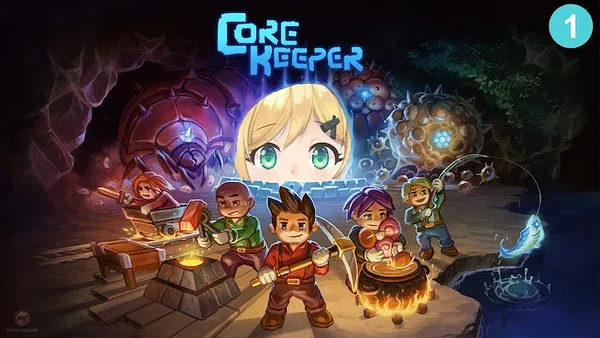
Core Keeper has gained popularity among gamers for its unique blend of exploration, crafting, and survival elements. Set in a mysterious underground world, players must gather resources, fend off monsters, and build a thriving base. However, one of the most pressing challenges in the game—resource management—can be a double-edged sword, impacting the player experience significantly. This article dives deep into this specific issue, exploring how resource management shapes gameplay, the decisions players must make, and the broader implications for their survival and success in Core Keeper.
Understanding Resource Management in Core Keeper
At the heart of Core Keeper is the need for effective resource management. Players start with a modest set of resources and must quickly expand their capabilities to survive and thrive. The game introduces various types of resources, ranging from basic materials like wood and stone to more advanced items such as ores and food sources. This hierarchy of resources creates a complex web of dependencies, pushing players to make strategic decisions that can affect their overall gameplay.
Effective management not only involves gathering these resources but also using them wisely. Resource production, crafting systems, and base expansion all require thoughtful planning. Often, players find themselves at a crossroads: should they invest in immediate needs like food and shelter or focus on long-term goals like upgrading their tools and building defenses? This decision-making process is critical and can determine the player's success in the game.
The Initial Resource Scarcity
Upon entering the game, players face an immediate scarcity of resources. The starting area, while rich in potential, limits access to the more rare materials essential for development. This initial phase of hunting for wood, stone, and basic food sources creates a tense atmosphere, pushing players to explore early. The design forces players into reactive gameplay, making quick decisions on where to gather and what to craft.
Exploration and Risks
The difficulty of resource scarcity encourages exploration, which comes with its own set of risks. As players venture deeper into the caves, they encounter hostile creatures and environmental hazards that can quickly lead to their demise. This phase encourages players to weigh the risks and benefits of exploration. Should they take that chance to gather that elusive copper ore at the risk of encountering a dangerous enemy? Every decision can mean the difference between progress and setback.
Strategic Crafting
As players begin to gather resources, they must also craft wisely. Prioritizing tools that allow for better resource collection or defenses against monsters can sway the game significantly. Players have to think strategically about what to craft, weighing immediate survival needs against future possibilities. For instance, crafting a basic pickaxe may allow for gathering rarer mineral nodes, but it may also mean forgoing armor that could protect against the lurking dangers in the caves. This constantly evolving decision-making process maintains a sense of urgency and engagement.
Resource Accumulation: A Double-Edged Sword
As players master the initial phases of resource management, they begin to accumulate more materials. This accumulation, however, brings about its own challenges. The excitement of gathering new resources can quickly turn into a logistics nightmare; players must now decide how to store and use their ever-growing inventory effectively.
Inventory Management Challenges
The game features an inventory system that can feel overwhelming as players scale up their operations. With limited slots and a diverse array of items, players must decide what to keep, what to discard, and how to prioritize essential items. This often involves complex inventory mathematics—how much of each resource is needed for specific crafting recipes? Do players sacrifice carrying food for extra wood, or do they opt for a balanced load?
Storage Solutions
Another layer of complexity lies in the storage of resources. Players can create chests and other storage facilities, but organizing them effectively becomes a game of its own. Poorly organized storage can waste time and lead to frustration as players search for needed resources. Thus, finding efficient storage solutions is crucial for long-term success. Effective players often develop systems, color-coding, or categorizing their storage areas, which can include:
- Food resources
- Crafting materials
- Tools and equipment
- Valuables for trading
Advanced Resource Dependency
With the accumulation of advanced resources such as ores and gems, players become faced with the intricate webs of dependency. Crafting better tools often requires a mix of basic and advanced resources, creating a near-demanding chain reaction. This introduces a layer of complexity that requires players to think several steps ahead.
Crafting and Upgrades
The upgrade systems in Core Keeper foster a cyclical dependency model. Players will find that to craft a stronger weapon or efficient machinery, they'll need to gather both rare and common resources. This might drive them back to areas where they previously operated, adding to the tension of returning to known—but potentially dangerous—territories. Players become increasingly aware of their needs, and as they progress, they may face situations where the items they desire are no longer easy to acquire.
Balancing Short-term and Long-term Needs
The urge to upgrade can clash with the need for immediate resources to keep ventures afloat. Players may find themselves struggling to balance their desire to build a new base or upgrade their gear with the essential requirement of food and defenses. Here, the game layers complexity in personal decision-making: players who neglect basic upkeep may find themselves overwhelmed and poorly equipped against heightened threats.
Multiplayer Resource Dynamics
One intriguing aspect of Core Keeper is its multiplayer experience. Resource management challenges multiply when players form teams. While cooperation can greatly enhance resource gathering and management, it can also introduce contention. Different players prioritize differing aspects of gameplay, leading to potential conflicts over resource allocation.
Sharing Resources
Effective communication and collaboration can mitigate these conflicts. Teams often confront the dilemma of whether to adopt a shared resource pool or establish individual ownership of specific materials. Effective sharing can accelerate team progression, but mismanagement can foster resentment and have even led to drama in the community. Players may grapple with questions like: Should someone hoard certain materials for themselves, or is sharing a pathway to mutual success?
Competition and Collaboration
While cooperation is vital, competition for resources can be a double-edged sword. As players engage in crafting and upgrading, healthy competition can drive players to gather more efficiently. However, when competition becomes cutthroat, team dynamics can suffer. Thus, clear communication, established roles, and a mutual understanding of long-term goals can help navigate the complex terrain of multiplayer resource management.
The Impact of Environmental Factors
Core Keeper's design encourages players to explore various biomes, each with unique environmental factors affecting resource availability. Understanding how these factors shape gameplay can be crucial for resource management. For instance, certain areas might yield higher quantities of a specific material but at a higher risk of environmental challenges.
Biomes and Their Resources
As players navigate the different biomes, they will notice significant differences in resource availability—some areas are rich in metals, while others provide bountiful food sources. The biome influences resource scarcity, affecting how players approach gathering and crafting. Each biome presents its unique resources, challenges, and enemies, requiring players to adapt their strategies accordingly.
Adaptation Strategies
In an ever-changing environment, successful players learn to adapt quickly. This involves mastering:
- The dangers of each biome, allowing for swift avoidance or preparation
- Resource mapping, understanding where to find specific items
- Time management, knowing when to gather materials and when to retreat
Balancing Resource Consumption
As players craft and build, they often overlook resource consumption rates, leading to unexpected shortages. Miscalculating resource consumption can result in dire situations where players might run out of essential materials at critical moments. This oversight can undermine efforts and lead to player frustration.
Consumption Awareness
Players must develop a keen awareness of how quickly resources are depleted. For example, building numerous crafting benches or machines without consideration of the underlying resource expenditures can lead to shortages. Players who keep track of their usage are more likely to manage their inventories effectively and avoid running into problematic situations.
Strategies for Sustainable Resource Use
Developing sustainable practices can mitigate the risk of depletion. This includes:
- Developing farming systems to provide a steady food source
- Monitoring equipment degradation and planning for repairs
- Implementing efficient crafting protocols that minimize waste
Conclusion: The Ongoing Resource Management Challenge
Core Keeper offers players an engaging and multifaceted experience that hinges significantly on resource management. From the initial scarcity to complex crafting dependencies, players face ongoing challenges that contribute to the thrill of survival and exploration. The need for careful planning, strategic decision-making, and effective communication shapes player interactions and ultimately determines their success. As players navigate this intricate web of resource management, they can find themselves deeply immersed in the rich, underground world of Core Keeper—facing dilemmas that require them to think creatively and strategically, enhancing the overall gameplay experience.
By understanding the nuances of resource management, players can develop more sustainable practices and increase their chances of thriving in the enigmatic depths of Core Keeper's world.
In summary, resource management in Core Keeper is crucial for survival, requiring strategic thinking, effective teamwork, and a keen awareness of inventory