.webp)






Introduction
Palworld exploded in popularity because it combined several addictive ideas into one chaotic experience. The game mixed creature collection, survival mechanics, base building, factory automation, gun combat, and open-world exploration into a strange but fascinating formula. Players could capture cute creatures called Pals, assign them to work, build industrial production lines, and fight bosses across dangerous islands.
At first glance, Palworld feels like a survival game filled with freedom and experimentation. Early gameplay creates a satisfying loop of gathering resources, manually crafting tools, defending against raids, and slowly building a functional base. However, as players progress deeper into the game, one specific issue begins to dominate the experience: automation gradually destroys much of the survival tension and emotional engagement that originally made the game exciting.
This article does not discuss Palworld generally. Instead, it focuses deeply on a single design issue — how Palworld’s automation systems slowly transform the game from a survival adventure into an increasingly passive resource-management simulator. By examining progression pacing, worker AI, base optimization, combat relevance, resource loops, multiplayer behavior, and late-game design, we can better understand why many players eventually feel disconnected from the survival experience despite initially loving the game.
Early Survival Gameplay Feels Personal and Immersive
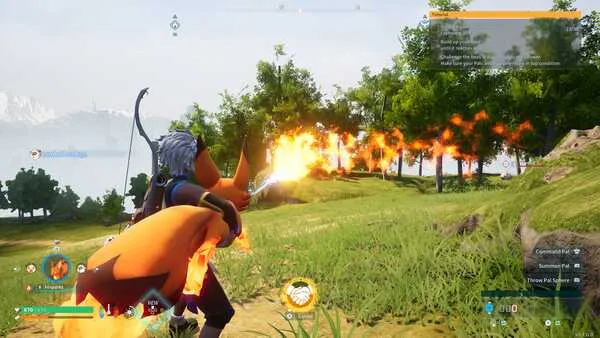
The first hours of Palworld are surprisingly immersive because players perform most actions manually. Gathering wood, mining stone, crafting primitive weapons, cooking food, and building shelters all require direct involvement. This creates a strong connection between the player and the world.
During this stage, every Pal feels valuable because they actively assist the player rather than replacing them entirely. Small efficiencies matter. Capturing a Pal capable of chopping trees or transporting items feels exciting because it reduces workload without eliminating player participation.
Why Early Progression Works So Well
Early Palworld succeeds because survival mechanics remain central. Hunger matters, nighttime exploration feels dangerous, and resource gathering requires effort. The player constantly balances risk and reward while learning how different Pals contribute to survival.
The world also feels unpredictable early on. Strong enemies can kill unprepared players quickly, forcing caution and preparation.
The Early-Game Emotional Loop
- Manual gathering creates attachment to resources
- Small upgrades feel meaningful
- Pals support rather than replace players
- Exploration remains necessary
- Danger creates tension
The game’s survival identity feels strongest before large-scale automation begins.
Automation Expands Faster Than Survival Difficulty
One of Palworld’s biggest balance problems is that automation power grows far faster than environmental danger. As players unlock better technology and stronger worker Pals, resource generation increases dramatically while survival threats fail to scale appropriately.
This imbalance gradually changes the emotional structure of the game.
The Factory Transition Changes Everything
At first, automation feels rewarding because it saves time on repetitive tasks. However, the game quickly shifts from “assisted survival” into “fully automated production.” Eventually, entire bases operate with minimal player involvement.
Mining operations, farming systems, crafting stations, food production, transportation chains, and manufacturing pipelines all become automated simultaneously.
Why Over-Automation Hurts Engagement
- Resource scarcity disappears
- Manual survival tasks become irrelevant
- Exploration loses urgency
- Preparation becomes trivial
- The player feels less necessary
Once the base effectively sustains itself, survival mechanics begin losing emotional importance.
Worker Pals Slowly Replace Player Agency
One hidden issue inside Palworld is how aggressively worker Pals eventually replace direct gameplay. Instead of assisting players, high-level automation often removes the need for active participation almost entirely.
This shift changes the player’s role from survivor to observer.
The Difference Between Assistance and Replacement
Good automation systems usually support gameplay rather than bypassing it completely. In Palworld, however, optimized bases frequently allow players to avoid core survival activities altogether.
Why mine manually when specialized mining Pals generate endless ore? Why craft items personally when assembly lines produce everything automatically? Why gather food when farms and ranches create infinite supplies?
The Emotional Consequences
As worker efficiency increases, several problems emerge:
- Players interact less with the world
- Resource gathering becomes passive
- Crafting loses emotional satisfaction
- Progression feels automated rather than earned
- The survival fantasy weakens
The player increasingly manages systems instead of surviving inside the world directly.
Base Optimization Becomes More Important Than Adventure
As players progress deeper into Palworld, the focus gradually shifts away from exploration and toward maximizing production efficiency. Players spend enormous amounts of time reorganizing workstations, assigning optimal Pals, improving transportation routes, and fixing AI pathing issues.
The survival adventure slowly transforms into industrial management.
The Spreadsheet Mentality
Many late-game players begin thinking in terms of output optimization:
- Which Pal has the fastest work speed?
- Which production chain is most efficient?
- How can transportation delays be reduced?
- Which structures maximize automation uptime?
This optimization culture changes how the game feels emotionally. Instead of discovering a mysterious world, players often behave like factory supervisors.
Why This Hurts Exploration
Once the base becomes the center of progression, exploration starts feeling secondary. Dangerous regions exist primarily to acquire new resources that improve production systems rather than to support meaningful survival gameplay.
The world becomes a supply network feeding the factory.
Resource Scarcity Stops Existing Too Early
Survival games depend heavily on scarcity. Limited resources create difficult decisions, encourage exploration, and generate tension. Palworld gradually eliminates scarcity through highly productive automation systems.
Once players establish efficient bases, most resource concerns disappear permanently.
Infinite Production Changes Survival Psychology
Scarcity creates emotional weight. When resources are limited, every decision matters more. Infinite production removes that pressure entirely.
Food becomes endless. Ammunition becomes mass-produced. Crafting materials accumulate automatically. High-tier resources eventually flow continuously with minimal oversight.
The Loss of Risk Management
- Players stop planning carefully
- Death becomes less meaningful
- Supply preparation loses importance
- Expeditions feel safer
- Resource conservation disappears
Without scarcity, survival mechanics lose much of their emotional power.
Worker AI Creates Frustration Instead of Immersion
Ironically, even though automation becomes extremely powerful, Palworld’s worker AI often behaves inconsistently. Pals get stuck, abandon tasks, fail to prioritize correctly, or wander inefficiently around bases.
This creates a strange contradiction inside the game’s design.
The Player Becomes an AI Babysitter
Instead of feeling like a master creature trainer, players frequently spend time fixing broken systems:
- Resetting stuck Pals
- Reassigning work priorities
- Adjusting structure placement
- Correcting pathfinding problems
- Managing inefficient behavior
This management burden becomes surprisingly exhausting over long sessions.
Automation Without Reliability Feels Draining
Good automation systems create satisfaction because they feel stable and intelligent. Palworld often creates the opposite feeling. Players constantly monitor systems that are supposed to reduce workload.
Instead of empowering the player fully, automation sometimes becomes another form of maintenance labor.
Combat Eventually Feels Secondary to Production
Palworld includes gun combat, boss fights, raids, and dangerous enemies. Early in the game, combat feels intense because players lack resources and powerful equipment. However, automation eventually weakens combat tension significantly.
Industrial progression begins overshadowing combat progression.
Production Solves Most Problems
Once players mass-produce ammunition, medicine, armor, and advanced weapons, combat difficulty decreases dramatically. Preparation becomes effortless because factories generate enormous supplies continuously.
Even strong enemies become manageable through sheer resource abundance.
The Shift From Survival Combat to Economic Dominance
- Ammo shortages disappear
- Healing becomes trivial
- Equipment replacement becomes easy
- Resource costs lose meaning
- Combat preparation requires little effort
The player wins not because survival skills improved, but because industrial capacity became overwhelming.
Multiplayer Servers Amplify Optimization Culture
Multiplayer changes Palworld’s automation problem even further. On large servers, optimization becomes extremely competitive. Players race toward industrial efficiency as quickly as possible.
This accelerates progression imbalance dramatically.
The Meta Dominates Creativity
Players rapidly share optimal strategies online:
- Best worker Pals
- Most efficient production layouts
- Fastest leveling methods
- Resource farming routes
- AI optimization techniques
As community knowledge expands, survival improvisation weakens. Many players follow nearly identical progression paths.
The Industrial Arms Race
Servers often evolve into competitions over production scale rather than survival mastery. Bases become giant automated facilities focused on maximizing throughput.
The game’s identity slowly shifts away from wilderness survival toward industrial escalation.
The Late Game Feels Emotionally Passive
One of the biggest long-term issues in Palworld is that late-game progression often feels emotionally passive. Players spend less time actively surviving and more time waiting for systems to complete production cycles.
The player’s direct involvement decreases dramatically.
The “Idle Game” Feeling
Many late-game sessions revolve around:
- Collecting completed materials
- Checking production lines
- Managing inventories
- Reassigning workers
- Expanding automated systems
This creates similarities to management simulators or idle games rather than survival adventures.
Why Passive Progression Feels Less Rewarding
Players generally feel stronger emotional satisfaction when success results from direct effort, skill, and decision-making. Automated progression weakens this connection because achievements increasingly emerge from passive systems.
The game risks making players feel detached from their own progress.
Palworld’s Future Depends on Balancing Automation and Survival
Automation itself is not inherently bad. In fact, automation is one of Palworld’s most unique and creative ideas. The real issue is balance. The game currently allows automation to dominate survival mechanics too completely.
If future updates improve this balance, Palworld could become significantly deeper and more emotionally engaging.
How Survival Could Become Meaningful Again
Several design adjustments could strengthen the survival experience:
- More dangerous environmental threats
- Resource decay systems
- Stronger late-game raids
- Maintenance costs for automation
- Limited production efficiency
- Dynamic survival events
These systems could restore tension without removing automation entirely.
The Ideal Balance
The best version of Palworld would make automation feel helpful but not dominant. Players should still feel personally involved in survival, exploration, and progression even during late-game stages.
Automation should support adventure — not replace it.
Conclusion
Palworld became popular because it blended creature collection, survival mechanics, and automation into a bizarre but highly addictive formula. Early gameplay captures a strong sense of vulnerability, discovery, and progression that feels genuinely exciting.
However, the game’s automation systems gradually reshape the experience in ways that weaken survival tension over time. Worker Pals replace player agency, resource scarcity disappears, production overshadows exploration, and industrial optimization becomes more important than adventure itself.
The deeper issue is not simply that automation exists. The problem is that automation grows faster than the game’s survival challenges. As industrial systems become increasingly dominant, the emotional identity of the game shifts away from survival and toward passive resource management.
Palworld still contains enormous potential. Its creature systems, world design, and strange tone remain fascinating. But if the developers want long-term survival gameplay to remain emotionally engaging, future updates may need to restore balance between automation convenience and meaningful survival pressure.
The most memorable survival games make players feel vulnerable, resourceful, and directly involved in their own success. Palworld sometimes achieves this brilliantly in its early hours. The challenge for the future is ensuring that feeling survives the rise of the factory.