





Introduction
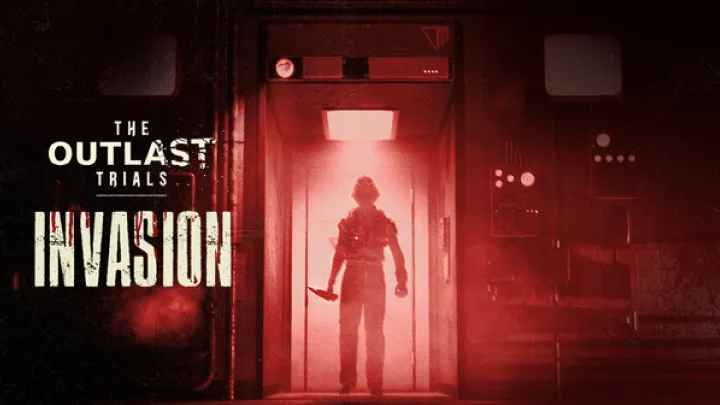
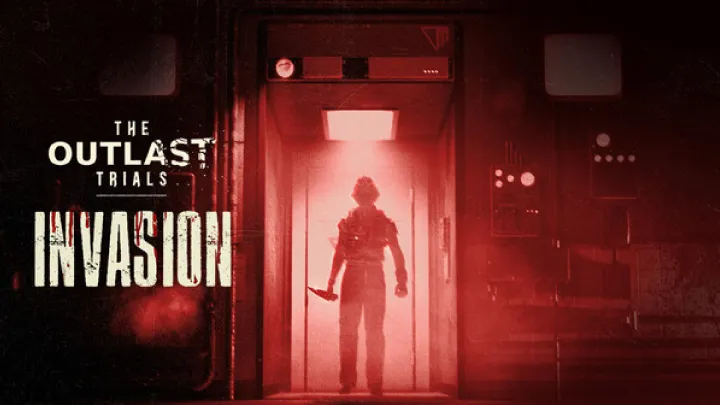
The Outlast Trials, the latest entry in the critically acclaimed Outlast franchise by Red Barrels, takes a bold turn by introducing multiplayer elements and cooperative gameplay to the survival horror genre. Set against the backdrop of the Cold War, players find themselves as test subjects in a series of horrific experiments conducted by the Murkoff Corporation. While the game retains the series' signature tension and fear, it shifts the focus to themes of humanity, ethics, and the primal instincts for survival. This article will dive deep into the issue of human morality amidst chaos and how The Outlast Trials effectively explores this theme through its gameplay mechanics, narrative structure, and player interactions.
The Setting and Premise: A Dystopian Horror
The game's lore and setting play a crucial role in establishing the tone and overarching themes.
A Dark Cold War Narrative
- Historical Context: Set during the anxieties of the Cold War, The Outlast Trials manipulates the fears of a society grappling with trust, paranoia, and the implications of unethical experimentation. This historical backdrop effectively enhances the psychological horror inherent to the series.
- The Murkoff Corporation: This fictional entity has long been the antagonist in the Outlast franchise. In The Outlast Trials, it takes on a more malignant role, presenting itself as an organization that masquerades benevolently while engaging in atrocious acts for profit and power.
The Trials: Human Experimentation
- Moral Quandaries: Players are thrust into the role of test subjects who must endure cruel trials designed to break their spirits and exploit their fears. The concept of willingly participating in these experiments raises questions about consent, especially within the context of survival.
- Survival Horror Amplified: The trials serve as both a physical and psychological battleground, demanding players to confront both their fears and the moral implications of their survival strategies. The narrative forces players to engage with the notion: at what cost does one survive?
Gameplay Mechanics: The Ethics of Survival
The gameplay of The Outlast Trials is designed to amplify tension while simultaneously confronting players with philosophical dilemmas surrounding morality.
Cooperative Gameplay Dynamics
- Teamwork and Betrayal: Unlike its predecessors, The Outlast Trials embraces a multiplayer format, allowing players to team up to navigate challenges. However, this setup introduces the potential for betrayal, creating a moral tension where players must decide when to cooperate and when to look out for themselves.
- Dynamic Interactions: Players can revive teammates, share resources, and coordinate strategies, but this cooperation is complicated by the claustrophobic environment and the threats lurking in the shadows. Here, ethics conflict with self-preservation, challenging players’ notions of loyalty.
Designing Fear: Trial Hazards
- Environmental Threats: The game integrates environmental hazards that require not only individual survival tactics but also cooperative strategies. Evolving threats, such as traps or monstrous entities, encourage players to balance the urgency of survival with ethical decision-making.
- Resource Scarcity: Scavenging for supplies becomes a moral quest. Players are often faced with the choice to hoard resources for themselves or share with teammates, posing questions about altruism versus survival instinct.
Character Development: The Journey through Fear
The characters in The Outlast Trials are well-developed, each representing various aspects of humanity under duress.
Each Character's Backstory
- Diverse Backgrounds: The game features a variety of characters, each with unique skills and backstories that inform their actions and reactions throughout the trials. Understanding these histories enriches the experience, prompting players to consider how their past influences their capacity for morality.
- Psychological Depth: The trials not only test the characters physically but also psychologically, revealing their fears and making them confront their traumatic pasts. This deepens players' connections to the characters, fostering empathy despite the chaotic environment.
The Evolution of Humanity in Crisis
- Morality Under Pressure: Throughout the game, players witness characters’ transformations influenced by fear and desperation. As they confront danger, their humanity either diminishes or strengthens, thereby encapsulating the larger theme of moral ambiguity in extreme situations.
- Choice Consequences: Character development is enhanced by players’ choices during gameplay. Decisions can alter relationships between characters, leading to different outcomes that reinforce or challenge ethical standpoints.
Environmental Storytelling: Unfolding Layers of Horror
The environments within The Outlast Trials are not just backdrops but serve as essential components of the narrative.
Immersive Landscapes
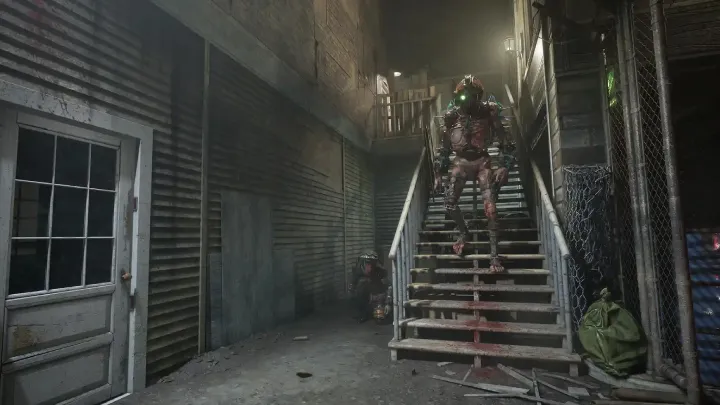
- Detail and Design: Each area within the game is meticulously designed to evoke fear and tension. The detailed environments come alive with sounds, lighting, and hidden items that contribute to the atmosphere, making players feel as if they are truly immersed in a nightmarish reality.
- Narrative Layers: The environments often tell their own stories, with remnants of previous test subjects and physical signs of the Murkoff Corporation’s inhumane experiments. This form of storytelling invites players to explore and piece together the sinister narrative without direct exposition.
Artifacts of Horror
- Collectibles and Lore: Players can discover logs, notes, and other collectibles that provide insights into the horrors of the experiments conducted. These artifacts deepen the narrative, creating connections between the characters’ experiences and the larger themes of the game.
- Reinforcing Fear: The use of environmental storytelling amplifies player fear by providing context for the horrors faced, enriching the narrative without overtly relying on cutscenes or scripted events.
Psychological Terror: Crafting Genuine Fear
While the game presents external threats, The Outlast Trials artfully constructs a psychological horror experience that pervades every aspect of gameplay.
The Element of Surprise
- Jump Scares and Tension Building: Unexpected events and jump scares are strategically placed to keep players on edge. The psychological impact of fear comes not just from what they see but what they anticipate, creating a constant, unsettling atmosphere.
- Sound Design: The celebrated sound design heightens the psychological horror. Ambient sounds, distant screams, and the unsettling noises emitted by enemies create tension that lingers in a player’s mind.
Mental and Emotional Impact
- Fear of the Unknown: The unpredictability of the environment keeps players in a state of anxiety. The unknown forces them to question their strategies, increasing psychological tension as they confront their vulnerabilities.
- Breaking Point Mechanics: The game introduces mechanics where characters can reach a ‘breaking point,’ impacting gameplay based on their psychological state. This reinforces the intertwining of fear, morality, and survival, as players must navigate their fragility during the trials.
Themes of Morality and Survival
The juxtaposition of survival and morality is a critical issue that The Outlast Trials navigates, forcing players to confront their ethical boundaries.
Ethical Dilemmas in Survival
- Survival Instincts vs. Morality: Throughout the game, players are faced with choices that pit their survival instincts against ethical considerations. Will they sacrifice an ally for personal gain or strive for a collective survival that may endanger themselves?
- Duality of Choices: The implications of decisions made during moments of crisis reflect the morally ambiguous nature of humanity when confronted with extreme stress. Players must grapple with these choices and navigate their consequences throughout the gameplay.
Redemption and Acceptance
- Seeking Redemption: Many characters enter the trials seeking redemption, using their experiences as opportunities for personal growth. The narrative encourages players to reflect on what actions lead to redemption rather than simply survival.
- Understanding Consequences: As players witness the culmination of choices made throughout the game, they are left to consider the weight of their actions, illustrating how consequences extend beyond immediate results into larger moral frameworks.
The Community and Its Impact
The reception and engagement of the player community play an essential role in shaping the experience of The Outlast Trials.
Engaging Player Feedback
- Ongoing Dialogue: Community discussions around themes, mechanics, and character arcs enhance players’ understanding of the game. This active engagement fosters a sense of camaraderie among gamers while inviting deeper exploration of the narrative.
- Fan Theories: Emerging theories and interpretations contribute to the game's artistic landscape, allowing for various perspectives on themes of survival, morality, and psychological trauma.
Expanding Content through Player Input
- Updates and Expansions: As developers listen to community feedback, they may introduce updates or expansions that further explore characters, mechanics, and overarching themes, reflecting players’ desires and enhancing engagement.
- Dynamic Content: The potential for dynamic events and collaborative storytelling can foster a community-driven experience that resonates with audiences, ensuring that themes remain relevant and impactful.
Conclusion: The Enduring Legacy of The Outlast Trials
The Outlast Trials not only expands upon the foundations set by its predecessors but also presents an emotionally charged exploration of morality, survival, and the intricacies of human nature. Through its immersive environments, engaging cooperative gameplay, and psychological depth, the game captures the essence of fear and the struggle to maintain one’s humanity in chaotic circumstances.
As players navigate through the horrors of the Murkoff Corporation's experiments, they are confronted with profound questions of ethics, identity, and redemption. The game serves as a reminder that while survival may be instinctual, the means by which we confront our fears can define us in ways far beyond mere existence.
In the end, The Outlast Trials stands as a powerful commentary on human resilience, forcing players not just to survive, but to reflect on their choices and the moral implications of their actions in a world bereft of sanity.